

The Nature of Luck in Gambling
Luck is a fundamental concept that shapes the landscape of gambling. In the vibrant atmosphere of a casino, whether players are spinning the reels on slots or engaging in strategy-driven table games, luck often surpasses skill in determining outcomes. Many individuals enter casinos with the belief that winning is primarily a matter of fate, especially when they consider options like online pokies real money that add to the thrill. The inherent randomness of games creates a thrilling and unpredictable environment, where fortunes can shift unexpectedly, captivating players who crave the excitement of potential wealth. This unpredictability not only fuels the passion of seasoned gamblers but also entices newcomers drawn by the allure of striking it rich.
Moreover, the perception of luck varies significantly across different cultures and personal beliefs. Some players view luck as a mere chance occurrence, while others embrace superstitions, rituals, and symbols that they believe can influence their fortune. For instance, it’s not uncommon for players to select specific numbers or don certain clothing items they consider “lucky,” hoping these choices will enhance their odds. This intricate interplay of belief systems and randomness enriches the casino experience, infusing it with a social and psychological complexity that keeps gamblers returning for more. Ultimately, the subjective nature of luck adds a personal touch to each gaming session, making every visit unique.
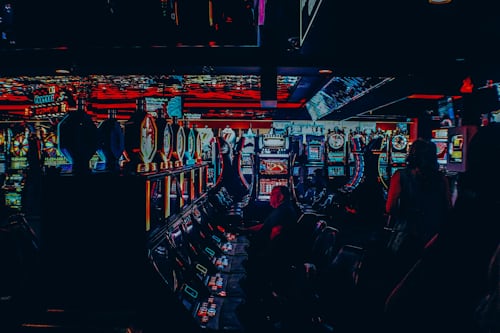
The ambiance of a casino further amplifies the role of luck in players’ experiences. The dazzling lights, the sound of coins clinking, and the palpable excitement from fellow gamblers all contribute to an electrifying atmosphere that can elevate one’s sense of fortune. Players may feel more fortunate when surrounded by a lively crowd, especially during moments of collective enthusiasm. This shared emotional experience reinforces the belief in luck, making the overall journey through the casino feel more gratifying, regardless of the actual outcomes of the games. When players are immersed in this vibrant environment, their belief in luck can become a self-fulfilling prophecy, leading to more enjoyable gaming sessions.
The Influence of Probability and Odds
While luck undeniably plays a crucial role in gambling, it coexists with a structured framework of probability and odds that defines each game in a casino. Every game has established odds that indicate the likelihood of a win, meaning players should ideally be aware of these probabilities. For instance, in a game like blackjack, the odds of winning depend on a combination of the player’s skill and the capricious nature of luck. Understanding these odds empowers players to make informed decisions, yet many still lean heavily on luck to guide their choices. This dynamic can create a fascinating tension between the logical and the emotional aspects of gaming.
The thrill of gambling often causes players to overlook the mathematics at play, leading them to make impulsive decisions based on gut feelings. This is particularly evident in games like roulette, where players might chase lucky streaks or previous outcomes instead of recognizing that each spin is independent of the last. The excitement of possibly overcoming the odds can overshadow the mathematical reality, making luck a predominant factor in the gambling experience. This tendency highlights the importance of balancing emotional impulses with analytical thinking, as players navigate their gaming strategies.
The relationship between luck and odds provides a fascinating insight into human behavior in gambling scenarios. Players who acknowledge that luck will always play a part in their outcomes, regardless of their understanding of the odds, may find a more balanced approach to their gameplay. This awareness can lead to more strategic choices while still embracing the unpredictable excitement that luck brings, ultimately enriching the overall gambling experience. By blending knowledge of odds with the acceptance of luck’s role, players can enhance their enjoyment and potentially improve their long-term outcomes.
The Psychological Aspects of Luck in Casinos
The psychological dimensions of luck in a casino are vast and complex. A player’s belief in luck can significantly impact their mindset and decision-making processes. Those who feel fortunate are more inclined to take risks, which often results in larger bets and bolder gameplay. This psychological phenomenon illustrates how luck can create a feedback loop: experiencing good fortune fosters increased gambling activity, which can lead to higher stakes and more substantial wins or losses. The thrill of winning can amplify a player’s sense of luck, reinforcing their commitment to continue playing.
In addition, the perception of luck also plays a crucial role in how players handle losses. Many gamblers cling to the hope that their luck will eventually turn around, perpetuating a cycle of continued play. The emotional highs and lows that accompany gambling—punctuated by exhilarating wins and crushing losses—reinforce a personal belief in luck. This belief provides a sense of control, even when faced with overwhelming odds, enabling players to continue their pursuit of fortune. Understanding this psychological aspect can help players navigate their emotions and make better gambling decisions.
Casinos are keenly aware of the psychological aspects of luck and often craft environments designed to amplify this perception through various stimuli. Vivid colors, captivating sound effects, and celebratory displays create an exhilarating atmosphere that heightens the feelings of winning or the anticipation of future success. The overall design of a casino is meticulously constructed to deepen the illusion of luck, making it an integral part of the experience and fostering lasting memories of excitement, regardless of the actual game outcomes. This careful orchestration of environment and psychology plays a significant role in shaping the overall gambling experience.
The Role of Superstitions and Rituals
Superstitions and personal rituals represent a compelling facet of gambling that underscores the influence of luck. Many players engage in specific behaviors believed to attract good fortune, such as performing a lucky dance before placing a bet or selecting a particular seat at a table. These rituals provide players with a sense of agency over the inherently unpredictable nature of gambling. For example, a player might have a unique routine before playing slots, convinced that it enhances their chances of winning, even if the statistics remain unchanged. This need for control in an unpredictable setting highlights the human desire to influence outcomes.
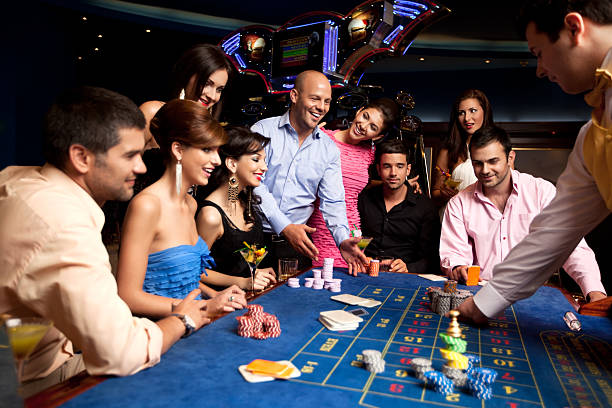
Interestingly, these superstitions can differ widely between cultures and regions. Some players might carry lucky charms or talismans, while others might avoid particular numbers or colors they associate with bad luck. This intricate web of beliefs adds a rich layer to the casino experience, transforming it into something that encompasses not only chance but also cultural identity and personal significance. Adherence to these beliefs can significantly affect players’ comfort levels and their overall investment in the gaming experience. In many ways, these rituals become a personal narrative that enhances the thrill of gambling.
Casinos often capitalize on these superstitions to enhance the overall atmosphere, creating spaces where players can engage in their rituals without fear of judgment. By fostering an environment that encourages these practices, casinos effectively intertwine belief and business, potentially leading to longer play sessions and increased spending. In this way, the realm of luck becomes a driving force behind both the personal and financial aspects of the casino experience. The interplay between superstition and gambling behavior reflects a deeper connection to the human experience, making each visit to the casino a journey of both chance and belief.
Understanding the Overall Casino Experience
The overall casino experience is shaped by a multitude of factors, including luck, environment, psychology, and personal beliefs. While luck is undeniably a significant element of gambling, it interacts with the structured nature of games and the psychology of the players. Recognizing these nuances can enable gamblers to adopt a more balanced approach to their gambling activities, merging the thrill of luck with informed decision-making and responsible play. This comprehensive understanding can lead to a more fulfilling and enjoyable experience in the casino.
Moreover, acknowledging the role of luck can elevate one’s appreciation for the entire experience rather than solely focusing on winning or losing. Players who immerse themselves in the enjoyment of the games, the ambiance, and the social interactions often report more satisfying experiences. This broader perspective helps to mitigate the emotional turbulence associated with gambling, allowing individuals to engage in the activity with a clearer mindset and heightened enjoyment. Emphasizing the journey over the destination can transform a casino visit into a memorable adventure.
Ultimately, understanding the intersection of luck and the casino experience fundamentally influences how players engage with games and what they take away from their time in these lively environments. By gaining a deeper insight into luck’s role, players can navigate the complexities of gambling more effectively, leading to richer experiences and potentially more responsible gambling practices. This understanding can serve as a foundation for a more sustainable approach to gaming, promoting enjoyment and minimizing negative outcomes.